
Why Garage Door Opens Slowly & How to Fix It
A slow garage door can turn a quick morning routine into a frustrating task. You push the button & instead of opening smoothly, the door struggles or stops midway. This isn’t just annoying, it can be a sign of worn-out springs, misaligned tracks or an old opener. Ignoring it can cause bigger and more expensive problems.
I’m Delwood Wilson & I’ve been fixing garage doors for over five years. I’ve helped homeowners tackle issues caused by everything from rusty cables to faulty motors. In this guide, I’ll explain the most common reasons doors slow down, share real examples from homes I’ve worked on & show simple fixes you can try yourself before calling a professional.
Why Understanding a Slow Garage Door Is Important
Many homeowners think it’s normal for a door to hesitate or take a few extra seconds to open, but in reality, this can point to serious issues. I’ve seen cases where ignoring a slow door ended up costing a homeowner hundreds in repairs.
The Signs Your Garage Door Is Slowing Down
Every slow garage door behaves differently. It may start okay but slow down near the top, jerk while moving or take longer to respond to the opener. Sometimes the motor makes unusual noises like grinding or whining. In one home I worked on last year, the door started closing slower every week.
The problem turned out to be worn-out rollers combined with a spring losing tension. These small signs, if noticed early, can prevent the door from completely failing.
Why You Shouldn’t Ignore a Slow-Opening Door
Garage doors weigh hundreds of pounds, and a malfunctioning door can cause serious injuries or damage vehicles. I’ve seen homeowners think “it’ll be fine” until the door suddenly fell, damaging the car inside. Even small delays are a signal that parts are wearing down. Acting early means a simple adjustment or part replacement rather than a full opener or door replacement.
Common Misconceptions Homeowners Have
Many people assume a slow door just needs “more oil” or that an older door is supposed to be slower. Others think it’s okay to ignore it if it still opens eventually. In real cases, these assumptions often make small issues worse.
For example: A door that seems sluggish because of a low-tension spring can eventually stop working completely or even damage the opener motor. I always tell homeowners:
Noticing the problem early and understanding the root cause prevents bigger headaches later.
Most Common Reasons Your Garage Door Opens Slowly
Based on my five years of experience repairing hundreds of doors, here are the main reasons:
- Lack of Lubrication: Moving parts like rollers, hinges, and springs need regular lubrication. Without it, friction increases, slowing down the door. In one case, simply applying garage-door-rated grease reduced the opening time by 40%.
- Worn-Out or Damaged Rollers: Rollers take the brunt of every opening and closing motion. Over time, they can wear, crack, or lose smooth movement. Replacing worn rollers can restore smooth, quiet operation immediately.
- Dirty, Bent or Misaligned Tracks: Tracks guide the door as it moves. Dirt, debris, or slight bends can cause resistance. Even a small misalignment can make the door drag or jerk. Cleaning and straightening tracks often solves the problem.
- Weak or Aging Springs: Torsion and extension springs counterbalance the weight of the door. Springs lose tension over time, making the opener work harder. Weak springs not only slow the door but also strain the motor.
- Garage Door Opener Slow Issues: Opener problems are common. Speed settings might be too low, the motor may be aging, or batteries in wireless systems could be weak. A simple adjustment or motor replacement can fix slow operation.
- Extra Weight or Obstructions: Added weight from insulation or debris on the door can reduce speed. Even small obstructions in the path increase resistance and slow movement.
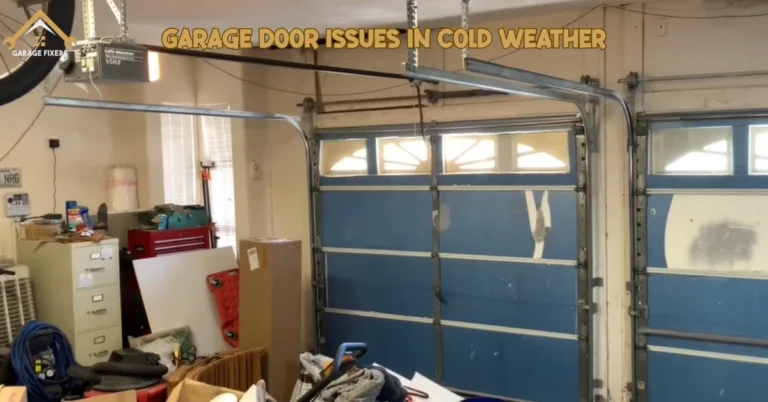
- Cold Weather Effects: In winter, cold temperatures thicken grease, stiffen springs, and make rollers sluggish. This is normal but can be improved with seasonal maintenance.
- Age and Maintenance Neglect: Older doors naturally slow down if not regularly maintained. Regular inspections, lubrication, and timely part replacements prevent this gradual slowdown.
How to Troubleshoot a Garage Door Opening Slow
This is how I guide homeowners to troubleshoot their slow doors effectively:
Step 1: Inspect Rollers and Hinges
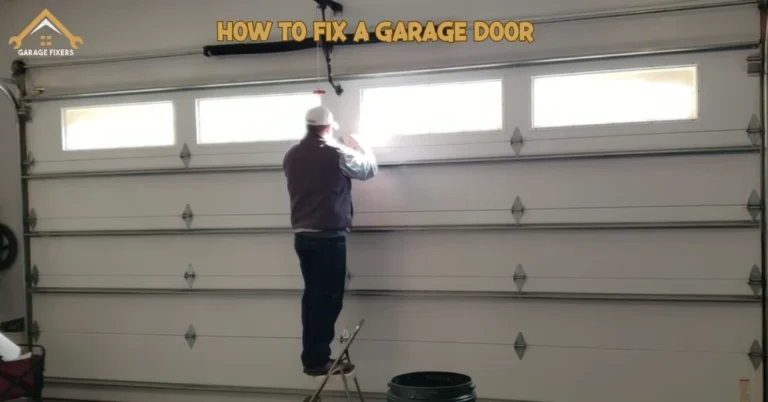
Start by examining the rollers and hinges. Look for cracks, flattening or visible wear. If you notice rough spots or missing parts, replacing the roller or hinge can immediately improve speed. In one case, replacing two worn rollers restored smooth operation in under 15 minutes.
Step 2: Check Track Alignment & Clean Debris
Tracks guide the door as it moves. Any dirt, small stones, or bent tracks create friction that slows the door. Clean the tracks and use a level to ensure they are straight. Even a 1/8 inch misalignment can make a noticeable difference in door speed.
Step 2: Check Track Alignment & Clean Debris
Tracks guide the door as it moves. Any dirt, small stones, or bent tracks create friction that slows the door. Clean the tracks and use a level to ensure they are straight. Even a 1/8 inch misalignment can make a noticeable difference in door speed.
Step 3: Test the Door Balance Manually
Pull the door up halfway by hand after disconnecting the opener. If it doesn’t stay put and moves up or down, the springs may be weak. This simple test tells you whether the opener is struggling because of door weight.
Step 4: Look for Spring Issues (Warning Signs)
Check torsion or extension springs for gaps, rust, or obvious wear. Springs that are stretched out or corroded reduce door speed and put extra strain on the motor. Never try to repair broken springs yourself as they store a lot of tension and are dangerous. Call a professional like Garage Fixers if you spot damage.
Step 5: Examine the Opener for Error Lights
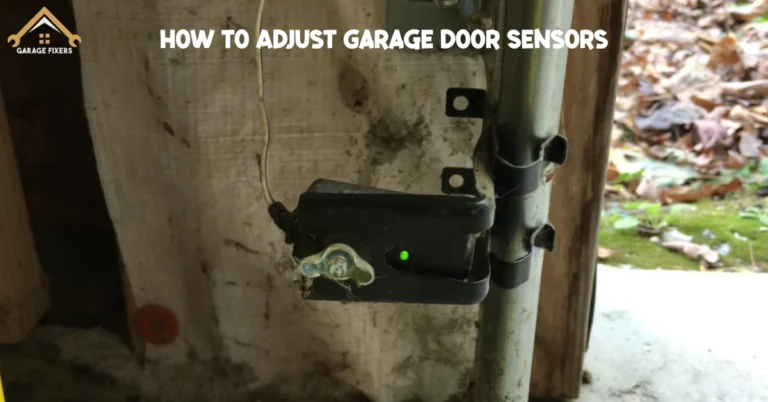
Many modern openers have LED indicators for problems like motor strain or sensor issues. Check for blinking lights or error codes in the manual. Addressing these alerts can instantly improve opener performance.
Step 6: Look at the Opener Speed Settings
Some openers allow adjustment of the door speed. A low setting may have been accidentally activated. Increase the speed setting gradually while monitoring the door for smooth operation.
Step 7: Test the Door in Both Hot and Cold Conditions
Garage doors often respond differently depending on temperature. Cold weather can stiffen springs and thicken lubrication while heat can temporarily expand metal components. Observe the door during different times of day or seasons to see if temperature is a factor & plan seasonal maintenance accordingly.
Checkout our guide on Smart Garage Door Technology.
Problems That Require a Professional Technician
Some problems are dangerous or complex enough that you shouldn’t handle them yourself. These are the main issues where I as a garage door repair expert think calling a professional is the safest choice:
Weak or Broken Springs
Garage door springs are under extreme tension. If you notice a snapped spring, gaps or uneven tension, a trained technician must replace it safely. In one real-world case, a homeowner’s door spring snapped mid-lift, fortunately, no one was hurt, but it highlighted why DIY spring repair is risky.
Frayed or Loose Cables
Lift cables bear the weight of your door. Fraying, rust or slack can cause the door to drop unexpectedly. Replacing or tightening cables requires specialized tools and experience to prevent accidents.
Motor Overheating or Slowing Down
If the opener motor is slow, stops or smells burnt, it may be failing. Professional inspection ensures the motor is repaired or replaced correctly which avoids further damage or electrical hazards.
Advanced Track Misalignment
Minor track adjustments are simple but severe bends or misalignments can throw off the entire mechanism. Technicians can straighten tracks safely & ensure the door moves evenly without warping or scraping.
Worn-Out Bearings or Hinges
Bearings and hinges that are cracked or seized affect door movement and can damage other components over time. Professionals can replace them efficiently while maintaining correct alignment for smooth operation.
Opener Replacement or Heavy Repairs
Sometimes the opener is outdated, underpowered or beyond repair. Replacing it involves precise electrical and mechanical work. A licensed technician ensures proper installation, programming & calibration to prevent future problems.
How to Prevent Your Garage Door Jerking When Opening
Over the years, I’ve helped homeowners save hundreds of dollars and avoid injuries by teaching them simple habits to prevent door problems before they start.
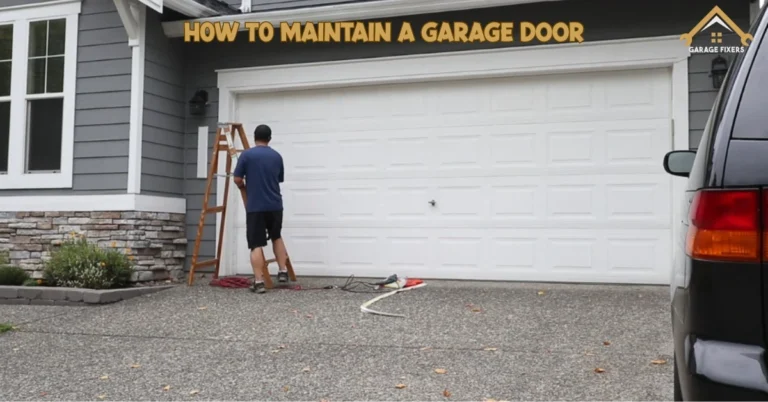
Monthly Lubrication Routine
Lubrication is the single most effective way to keep your door moving freely. Apply garage-door-specific lubricant to rollers, hinges & springs once a month. In one case, a homeowner’s door opened 60% faster after just two months of consistent lubrication. Avoid WD-40—it cleans but doesn’t protect against friction over time.
Cleaning Tracks Every 3–6 Months
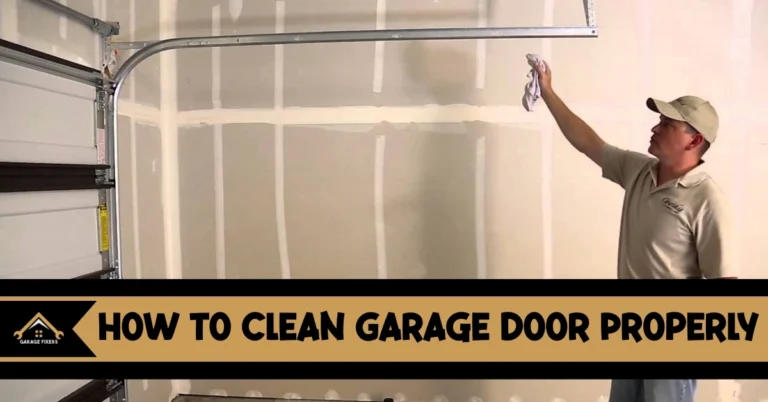
Dirt, dust & debris in tracks can cause drag and uneven movement. Use a damp cloth to wipe tracks and remove small stones or buildup. For stubborn grime, a gentle brush works well. Clean tracks allow your rollers to glide smoothly.
Annual Professional Tune-Up
Even if your door seems fine, a yearly inspection by a qualified technician ensures everything is in top condition. Professionals check spring tension, cable integrity & opener calibration, actually those things that are easy to miss but crucial for a smooth operation.
Inspecting Springs and Cables Regularly
Check for frayed cables or gaps in the springs. Early detection prevents sudden failures that can cause injury or damage to your door and car. I’ve seen many cases where small spring cracks left unnoticed turned into a complete failure during peak use.
Upgrading to a Stronger or Newer Opener
Older openers often struggle with heavier doors especially insulated ones. Investing in a modern, high-torque opener improves speed and reliability while reducing strain on springs and rollers. One homeowner upgraded to a newer opener and immediately noticed faster, quieter door movement even during winter months.
FAQs | Garage Door Opens Slowly
Conclusion
After inspecting hundreds of doors over the past five years, I’ve seen firsthand that most slow doors are caused by simple issues like dry rollers, dirty tracks or outdated opener settings. Addressing these quickly can save time, money & stress.
If you notice frayed cables, broken springs or uneven movement, call a professional like Garage Fixers immediately. Taking action now will ensures your garage door works efficiently for years to come.