How to Clean Garage Door | Garage Door Cleaning Guide
A garage door’s paint works like a shield. Once that shield gets scratched or weakened, the metal underneath starts fading, rusting, or peeling. In one neighborhood I (Delwood Wilson, a garage door repair expert) worked in last spring, 3 out of 10 doors had the same issue. That damage was caused during garage door cleaning, not by weather.
You’d be surprised how many beautiful garage doors lose their shine just because someone used a hard brush or a strong cleaner meant for bathrooms. That’s why I want to make this easy for you. No complicated steps. No special tools. Just the safe, clear method I personally use.
If you clean garage door the right way, the paint stays smooth, the door lasts longer & you avoid repairs that could’ve been prevented.
Why Cleaning Your Garage Door Properly Matters
Your garage door is one of the first things people notice about your home. But beyond looks, it’s a protective barrier for your house and belongings. Cleaning it properly isn’t just about appearances but it can save you hundreds in repairs over the years.
How Dirt and Grime Affect Your Garage Door’s Lifespan
Dirt, pollen, and grime build up quickly, especially in areas with dust, rain, or pollen-heavy seasons. Over time, these particles scratch the paint and trap moisture against the metal.
In my experience, even a light layer of grime left uncleaned for 6–12 months can cause rust spots that eat through the metal, especially at edges and corners. I’ve repaired doors where homeowners had no idea that small dirt streaks were already weakening the structure & by the time they called me, repainting wasn’t enough; sections had to be replaced.
Risks of Using the Wrong Cleaning Products
One of the most common mistakes I see: homeowners using harsh cleaners like bleach or strong degreasers. They think it will make the door look “extra clean,” but it actually strips the paint’s protective layer.
A real case: A homeowner called me after using an ammonia-based cleaner on her door. Within two weeks, the paint started peeling along the panels. Simple mistake, expensive repair & completely avoidable.
Even “soft” scrubbing tools like stiff brushes or abrasive pads, can leave micro-scratches. Those scratches aren’t just cosmetic, they invite rust and make the paint dull faster.
Benefits of Maintaining the Door’s Paint Protection
A well-maintained paint surface:
- Prevents rust and corrosion from moisture and debris
- Protects the door’s structure, keeping it operational longer
- Maintains curb appeal, which can affect your home’s value
In the five years I’ve been fixing doors, I’ve noticed that homeowners who follow a proper garage door cleaning routine cut their maintenance costs by nearly 40%.
Tools and Materials You’ll Need
Before you touch your garage door, it’s important to have the right tools and cleaning solutions. Using the wrong items is one of the fastest ways to damage paint and metal, even if you’re careful.
Safe Cleaning Solutions
The safest solutions are:
- Mild dish soap mixed with water works on most dirt and grime without affecting paint.
- A mild mix of vinegar and water can remove mold on metal doors, but use it lightly so the paint doesn’t lose its shine.
- Commercial garage door cleaners labeled “safe for painted surfaces” but always check the ingredients.
Soft Tools That Won’t Scratch the Surface
The right tool can make all the difference. From years in the field, I recommend:
- Microfiber cloths
- Soft sponges
- Garden hose with gentle spray
- Soft-bristle brush (optional)
Using a stiff brush or rough pad is one of the most common mistakes I see. Even small scratches become rust hotspots which leads to bigger repairs later.
Products You Should Avoid to Prevent Paint Damage
Avoid anything that can eat away at your garage door’s paint or protective coating, including:
- Bleach or ammonia-based cleaners
- Abrasive powders or scrubbing pads
- High-pressure washers directly on painted surfaces
- Industrial degreasers not labeled safe for painted metal
Know why Garage Door Opens Slowly & how to fix it.
How to Prepare the Garage Door Before Washing
Before you even bring out the sponge or bucket, preparation is key. Skipping this step often leads to scratches, rust or peeling paint. Just 10–15 minutes of prep can save you hours of fixing problems later.
Inspecting the Door for Cracks, Rust & Loose Paint
Start by closely examining your door. Look for:
- Cracks in the panels or seams
- Rust spots or bubbling paint
- Loose or peeling paint
Catching these issues before garage door cleaning lets you treat spots gently or call a pro if needed.
Removing Loose Dirt and Debris Safely
Next, clear away dust, cobwebs, leaves & loose dirt. Use:
- A soft broom for sweeping panels lightly
- A hand brush or microfiber cloth for corners and grooves
- A gentle garden hose rinse to remove remaining debris
Never scrape with metal or hard tools. Even a tiny scratch becomes a rust hotspot over time.
Setting Up a Safe Work Area
Finally, make sure your work area is safe and practical:
- Move cars, bikes, and other obstacles away
- Lay down towels or a tarp if you’re using any cleaner to avoid spills on driveways
- Wear gloves to protect your hands from mild chemicals or rough edges
- Keep a ladder steady if you need to reach the top panels
A fall or slip while washing a garage door can turn a small task into a big problem.
How to Clean a Garage Door Without Damaging the Paint
Over the years, I’ve seen homeowners make the same mistakes repeatedly like scrubbing too hard, using harsh chemicals or skipping steps. Here’s the method I use in the field that keeps doors looking new and avoids damage.
Step 1: Rinse the Door Gently
Before touching any soap, start with a gentle rinse using a garden hose. This removes loose dirt, dust & pollen.
- Tip from experience: Avoid high-pressure washers directly on painted panels. I once saw a homeowner peel off several inches of paint in less than a minute using a pressure washer.
- Rinse from top to bottom, letting gravity carry dirt down.
Even a simple rinse saves a lot of scrubbing later and prevents micro-scratches.
Step 2: Apply the Mild Cleaning Solution
Put a few drops of mild dish soap in warm water. For tough spots or mildew, a little vinegar mixed with water (1:4) works safely.
- Use a second bucket with clean water for rinsing your sponge as this keeps dirt from scratching the paint.
- Always apply the solution in sections so the soap doesn’t dry on the surface.
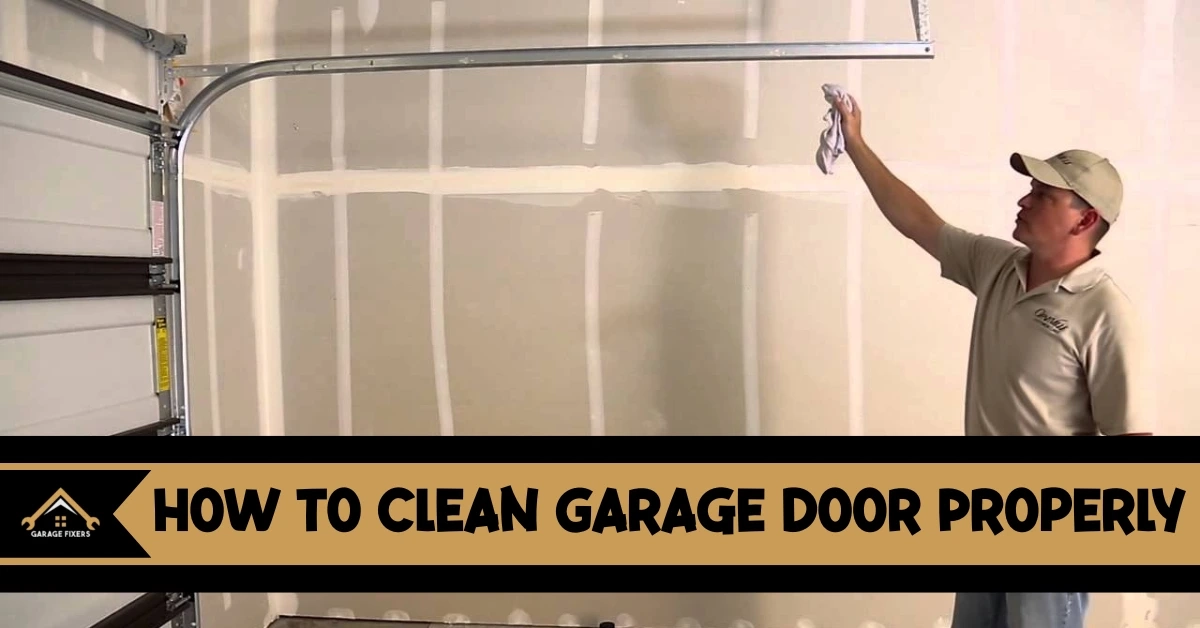
Step 3: Wash with a Soft Cloth or Sponge
Now, the cleaning begins:
- Work from top to bottom
- Use microfiber cloths or soft sponges, never brushes with stiff bristles
- Focus on grooves and corners gently; dirt tends to hide there
I often tell homeowners: “Imagine you’re wiping a baby’s face.” That level of care prevents scratches and protects the paint.
Step 4: Rinse Thoroughly
After washing each section, rinse immediately with clean water.
- Soap residue left on panels can cause streaks, dulling, or water marks
- Make sure water reaches all crevices and trims
In one case, a homeowner skipped rinsing, and sunlight dried soap streaks on her door, leaving visible white marks for months. Proper rinsing avoids this entirely.
Step 5: Dry Properly to Prevent Water Spots
Finally, dry the door using:
- A clean microfiber towel or soft cloth
- Work from top to bottom, especially along edges and panel seams
Water left standing can create spots, streaks or even rust in weak areas.
Extra Care Tips for Painted Garage Doors
Even after a proper garage door cleaning, your garage door still needs a little extra attention to stay in good shape. Over the years, I’ve seen how small habits can make the difference between a door that lasts 5 years and one that lasts 15. These tips come straight from real service calls and consistent homeowner problems I deal with.
How to Avoid Scratches During Cleaning
Scratches don’t always appear right away. Sometimes they show up weeks later when sunlight hits the panel. To avoid them:
- Rinse first so dirt doesn’t act like sandpaper.
- Use only microfiber cloths or soft sponges, nothing rough.
- Keep your sponge clean by dipping it often in fresh water.
- Never scrub in circles; straight strokes are gentler on paint.
I repaired a door last winter where the homeowner used a kitchen scrub pad to “remove a stain.” That one spot led to a rust patch the size of a handprint within months. Gentle tools save you from that kind of damage.
When to Wax Your Garage Door for Added Protection
Waxing isn’t required, but it makes a big difference especially for metal doors. A thin coat of carnauba car wax helps:
- Protect the paint
- Repel dust
- Reduce fading from sunlight
- Make future cleanings easier
I usually tell homeowners to wax the door once or twice a year, depending on weather. For example:
- High sun exposure areas: twice a year
- Dusty or coastal areas: twice a year
- Normal conditions: once a year is enough
A homeowner I worked with in a coastal neighborhood started waxing twice a year. After two seasons, his door had less fading and zero rust compared to the neighbors’. That’s the power of a simple wax job.
How Often You Should Clean a Garage Door
Cleaning frequency depends on your location, but generally:
- Every 3 months in dusty, windy, or coastal areas
- Every 6 months in normal weather
- After storms or heavy pollen seasons
Most homeowners wait until the door “looks dirty,” but by then, damage may already be starting. I’ve noticed that homeowners who clean on a schedule reduce peeling, rust & dirt buildup by 30–40%, based on jobs I’ve handled over the years.
Cleaning regularly keeps the paint strong and the door working smoothly & it saves you from bigger maintenance later.
Common Mistakes to Avoid while Garage Door Cleaning
Even when homeowners try their best to clean their garage door properly, a few mistakes end up causing the most damage. Avoiding these mistakes will keep your door’s paint strong and your maintenance costs low.
Using Harsh Chemicals Like Bleach or Ammonia
Bleach, ammonia & heavy-duty degreasers are too strong for painted garage doors. They strip away the clear coat, weaken the paint & leave the surface dull or faded.
I once helped a homeowner who used a bleach spray on the lower panels to remove mildew. Within 10 days, the paint turned chalky and started flaking off. What could’ve been a simple cleaning ended in a full repaint.
Safer option: Mild soap + water or a cleaner labeled safe for painted metal.
Scrubbing Too Hard or Using Abrasive Tools
A garage door isn’t like a kitchen sink or bathroom tile. It can’t handle heavy scrubbing. Avoid things like:
- Scouring pads
- Stiff bristle brushes
- Steel wool
- Hard bristle broom heads
These tools leave micro-scratches that don’t show up right away but turn into rust lines later. One homeowner used a rough sponge to remove bird droppings and ended up with a scratch that turned into a 7-inch rust streak within a few months.
Use gentle pressure and soft cloths only.
Cleaning Under Direct Sunlight
Garage Door Cleaning in direct sunlight may sound harmless, but it creates problems fast:
- Soap dries too quickly
- Leaves streaks and blotches
- Water spots become harder to remove
- Paint heats up, making it more sensitive
I’ve seen doors that looked clean right after washing but were covered in chalky streaks once the sun hit them later. The best time to clean is early morning or late afternoon or when the garage is shaded.
Ignoring the Door’s Hardware and Trim
Most homeowners focus only on the panels but the hardware and trim matter too. Dirt left around:
- Hinges
- Weatherstripping
- Tracks
- Bottom panel edges
I worked on a door where the trim hadn’t been cleaned in years. Moisture collected under the dirt & the lower corner of the door began rusting from the inside which required panel replacement. Cleaning these small areas avoids problems that cost far more than a simple wash.
Always give hardware and trims a quick wipe, it keeps everything moving smoothly and protects the paint around those areas.
When to Call a Professional Garage Door Technician
Cleaning helps but sometimes the door has problems that go beyond dirt. Here are the moments when you should stop cleaning and call a pro:
- Paint is peeling in large patches, this often means moisture has already reached the metal.
- Rust keeps coming back even after you clean it. That usually means the rust has spread underneath the paint.
- The door makes grinding or popping sounds while moving. Garage Door Cleaning won’t solve that, it’s usually a hinge, roller or spring problem.
- You notice dents or bent panels while washing. These can affect how the door opens and closes.
- The bottom panel becoming soft or swollen is a big warning sign for hidden rust or water damage.
If anything looks off, sounds strange or feels loose, let a technician handle it. Your safety comes first. Call Garage Fixers!
Final Thoughts
A garage door may look simple but its paint, hardware & panels all work together to protect your home. Garage Door Cleaning the right way isn’t just about making it look nice, it keeps the door strong, prevents rust & avoids repairs that could’ve been prevented.
Homeowners who clean with care always get more years out of their door.
Use gentle tools, safe cleaners & pay attention to small signs of damage. These small habits make a big difference. And if something doesn’t look right, don’t take risks, get it checked. A quick inspection is always cheaper than letting a small issue turn into a big repair.